Sciences économiques et sociales : le défi du speed booking
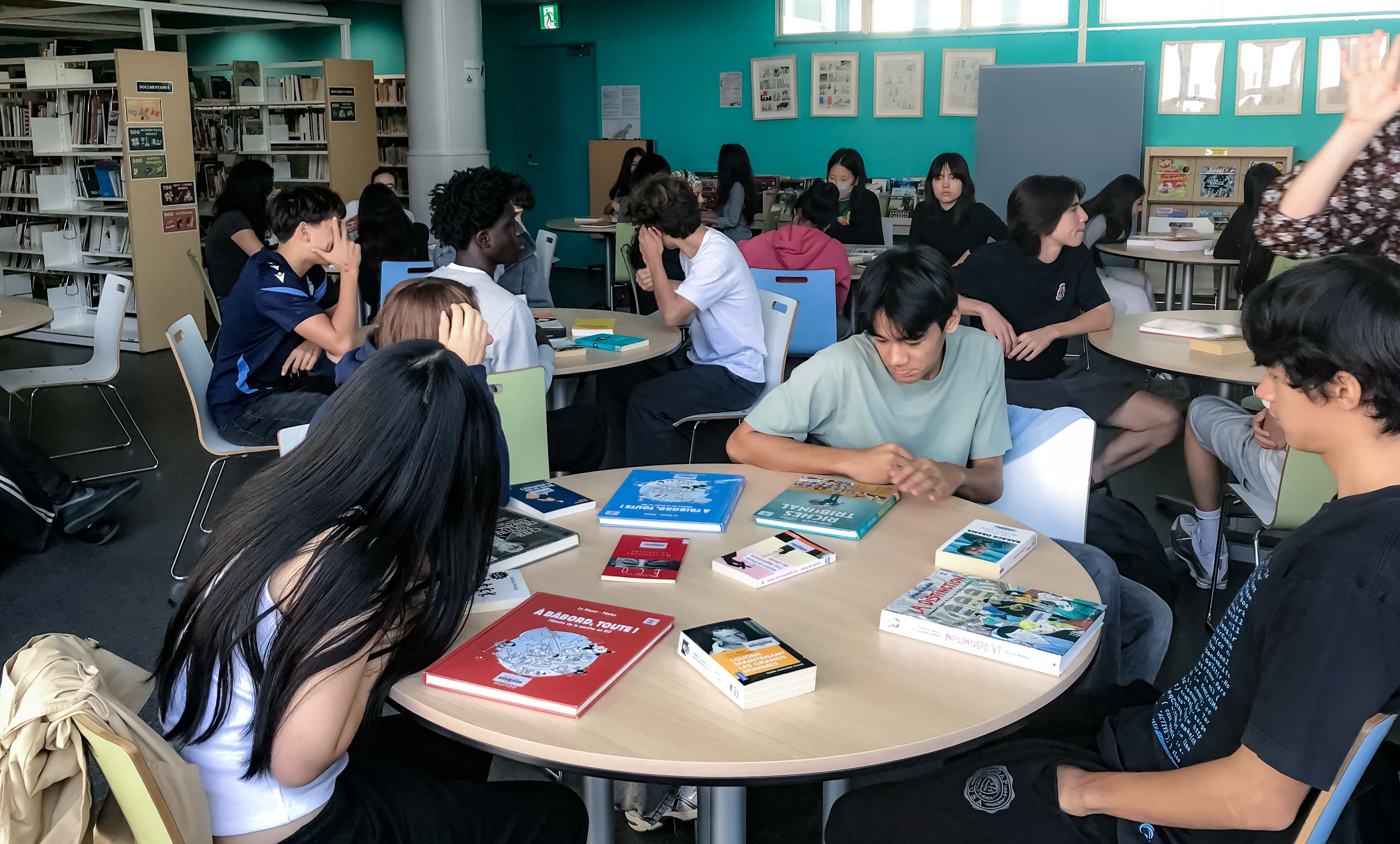
Trois minutes pour donner envie à un camarade d’ouvrir un livre : c’est le défi des élèves de première en spécialité sciences économiques et sociales (SES) du lycée français international de Tokyo.
Ce rallye lecture est mené par leurs professeurs, Mme ELSERMANS et M. SALÉ, avec Mme CARIO et Mme TOUSSAINT, professeures documentalistes du centre de documentation et d’information (CDI).
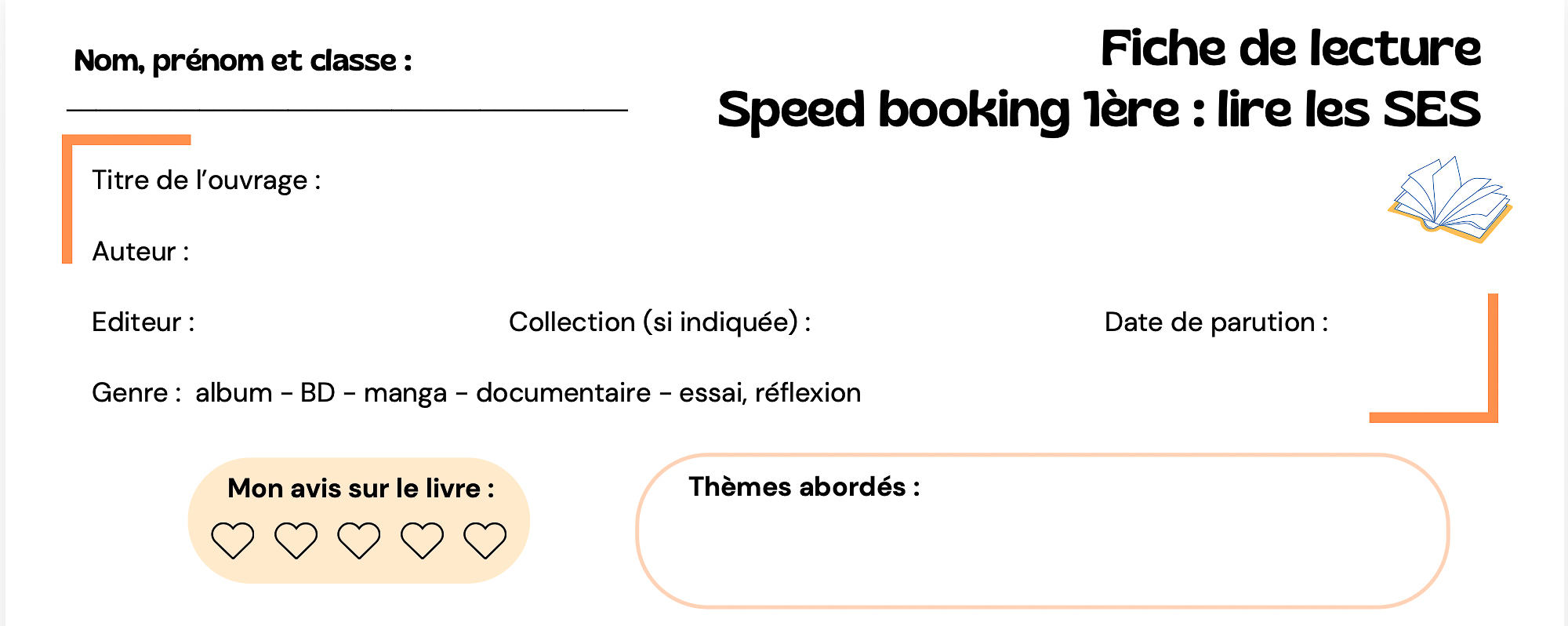
Le principe : lire au moins un ouvrage de la sélection, puis préparer une fiche de lecture réunissant des notions clés, un chiffre marquant, une citation et un avis personnel.
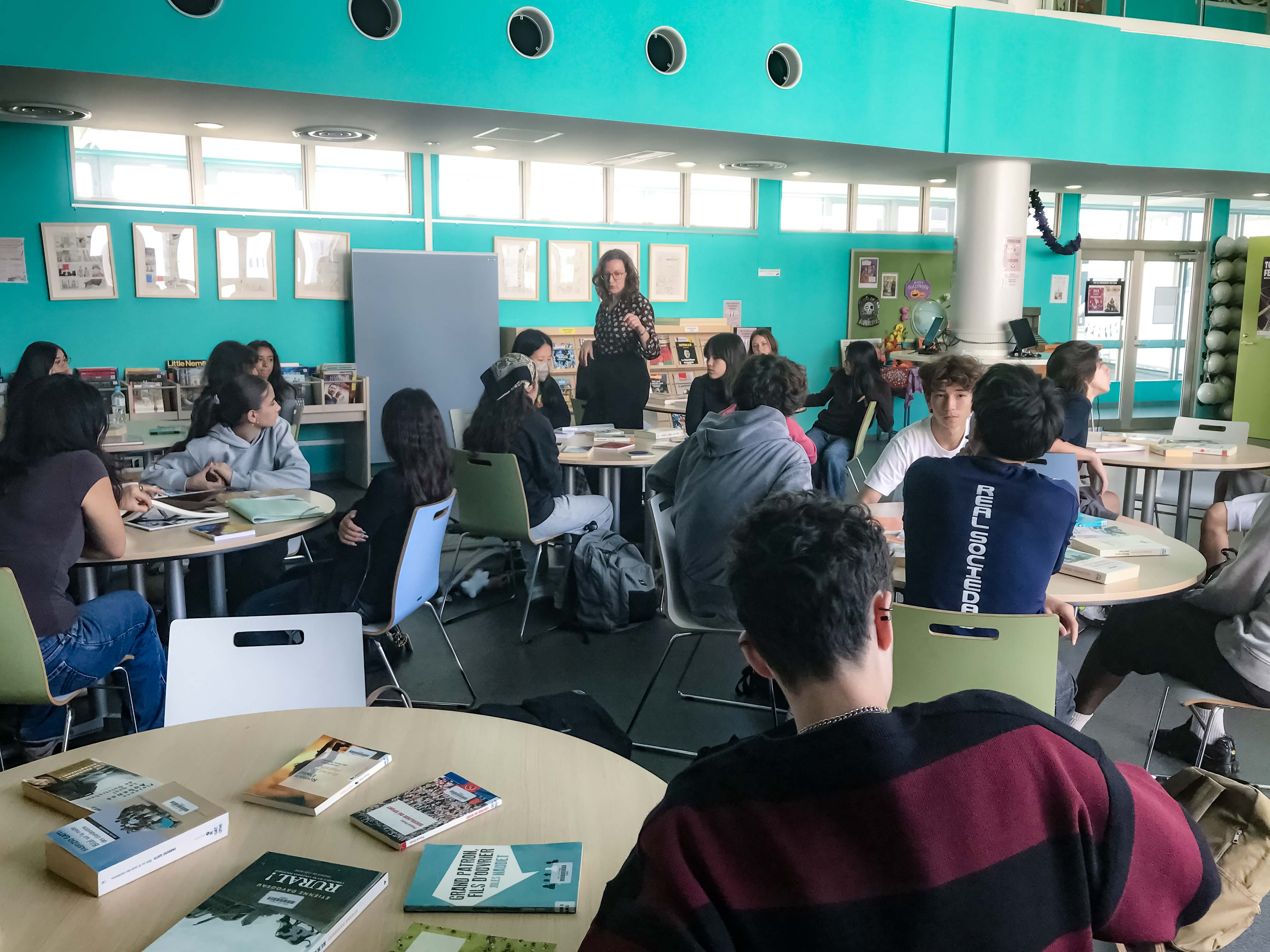
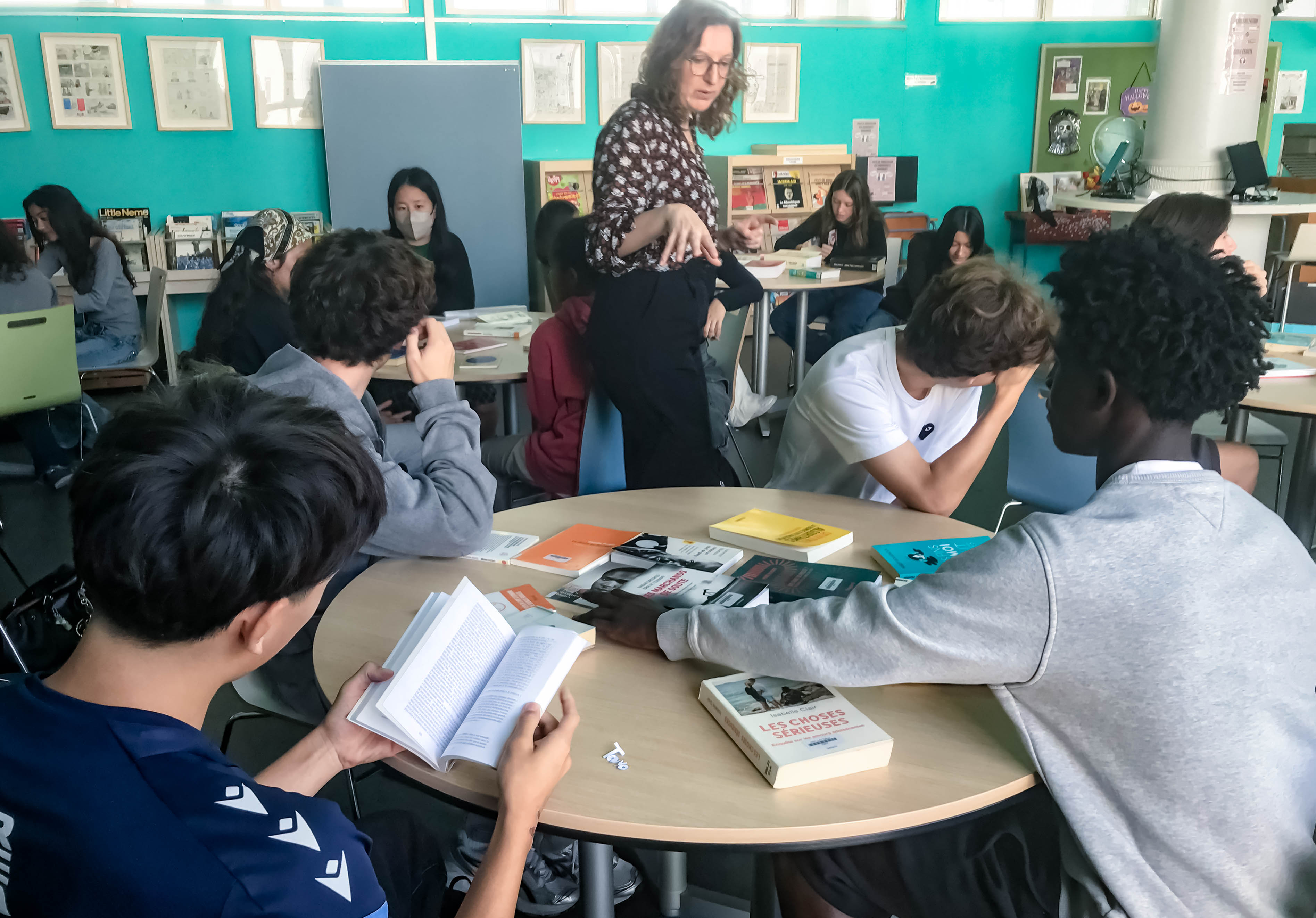
Au CDI, place ensuite au speed booking. Les élèves passent de table en table et disposent de trois minutes pour présenter leur livre à un camarade, qui prend des notes. À chacun de sélectionner ce qu’il souhaite partager et de rendre sa présentation convaincante.
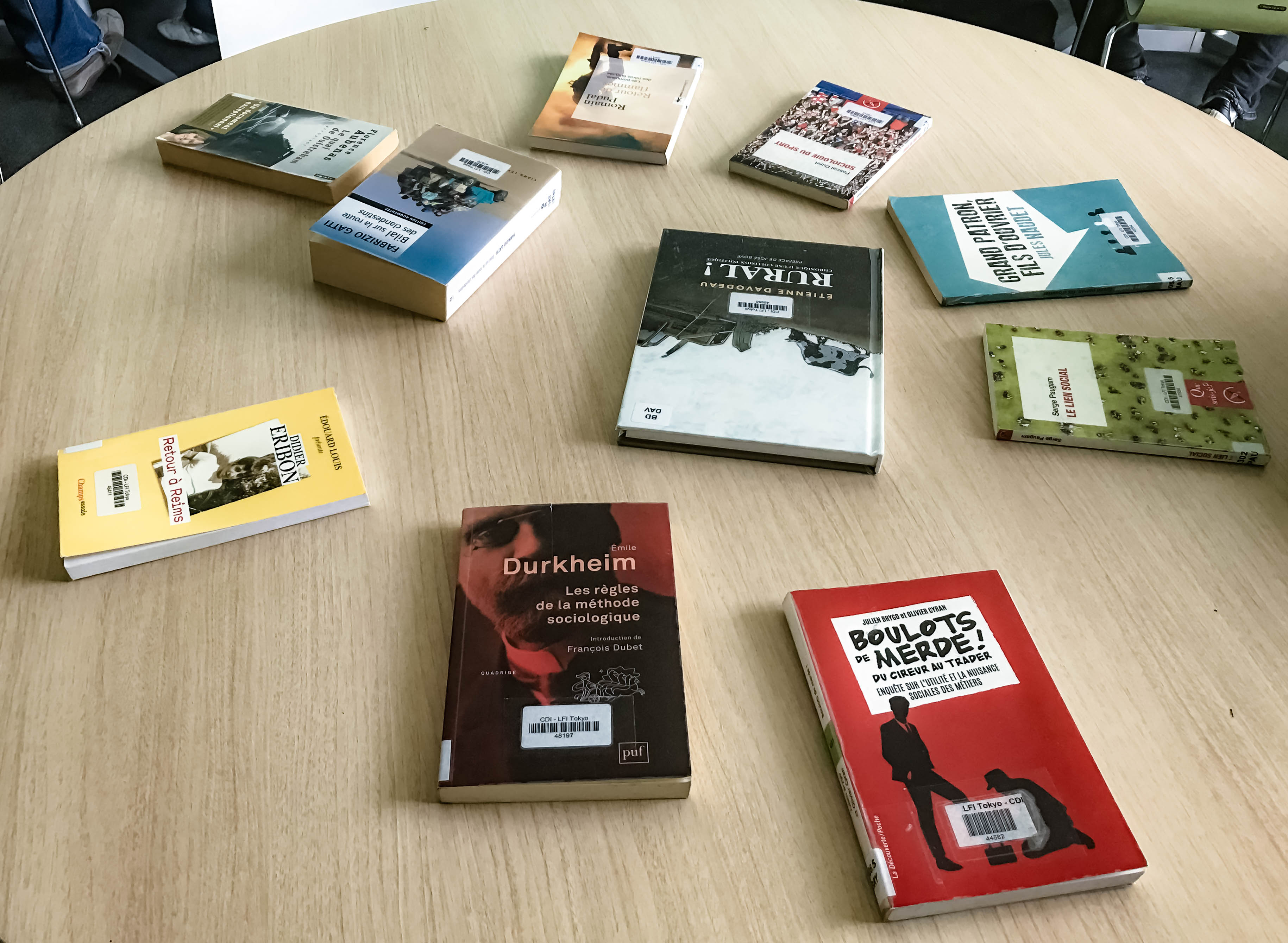
La sélection mêle BD, mangas, ouvrages documentaires et essais, avec notamment :
- Économix, de Michael GOODWIN et Dan E. BURR,
- Le Monde sans fin, de Christophe BLAIN et Jean-Marc JANCOVICI,
- Économie utile pour des temps difficiles, d’Abhijit BANERJEE et Esther DUFLO.
Une autre façon d’aborder les sciences économiques et sociales, en associant lecture, synthèse, argumentation orale et écoute.
Three minutes to make a classmate want to read a book: that is the challenge for Première students specialising in Economics and Social Sciences (SES) at the International French School in Tokyo.
The reading project is led by their teachers, Ms ELSERMANS and Mr SALÉ, working with teacher librarians Ms CARIO and Ms TOUSSAINT from the library and resource centre (CDI).
Each student reads at least one book from the selection and prepares a reading worksheet covering key concepts, a striking statistic, a quotation and their own opinion.
Next comes speed booking at the CDI. Students move from table to table and have three minutes to introduce their book to a classmate, who takes notes. The aim is to select what matters, communicate it clearly and encourage someone else to discover the book.
The selection includes graphic novels, manga, informational books and essays, with titles such as :
- Économix, by Michael GOODWIN and Dan E. BURR,
- Le Monde sans fin, by Christophe BLAIN and Jean-Marc JANCOVICI,
- Économie utile pour des temps difficiles, by Abhijit BANERJEE and Esther DUFLO.
A way to explore Economics and Social Sciences through reading, selecting key information, speaking persuasively and listening to others.
東京国際フランス学園では、**経済・社会科学(SES)**を専門科目として選択する高校2年生(プルミエール)が、図書・情報センター(CDI)と連携した読書活動に取り組んでいます。目標は、3分間の紹介で、相手に「読んでみたい」と思ってもらうことです。
SES担当のELSERMANS先生、SALÉ先生と、CDIのCARIO先生、TOUSSAINT先生が協力して進めるこの企画。生徒は選書リストから少なくとも1冊を読み、重要な概念、印象に残った数値、本文からの引用、自分の感想を読書シートにまとめます。
選書リストには、BD(コミック)、マンガ、ノンフィクション、エッセイなど、多様な本が並びます。例えば、次のような作品が含まれています。
- 『Économix』(Michael GOODWIN、Dan E. BURR)
- 『Le Monde sans fin』(Christophe BLAIN、Jean-Marc JANCOVICI)
- 『Économie utile pour des temps difficiles』(Abhijit BANERJEE、Esther DUFLO)
CDIで行うスピード・ブッキングでは、生徒たちがテーブルを移り、相手を替えながら本を紹介します。持ち時間は、一人の相手に対して3分間。聞き手は紹介を聞きながらメモを取ります。
本の内容を読み解き、要点を整理し、相手に伝わる言葉を選ぶ。読書と対話を通して、経済・社会科学への理解を深めながら、読む力と伝える力を育む取り組みです。
Screenshot